







Orange, yellow and pink beach towels are folded and placed on top of each other with a pair of sunglasses placed on top of the pile. Behind them is a black board with chalk writing that says, "School's out for summer." A large sun symbol is drawn on the right side of the board.

5 Transition Steps to Take this Summer

Summer is an ideal time to help students build independent living, social, and vocational skills.

As the school year comes to a close and summer vacation nears, there are lots of ways to continue transition planning throughout the season. Summer is an ideal time to help students build independent living, social, and vocational skills. It’s also a good time for parents to review the transition timeline to make sure students are on track toward graduation.

Here are five transition actions to consider before next fall. It’s never too early to start planning. If you have any questions, CBS offers free transition planning support. Contact us to have a chat and discuss your students’ specific needs and goals.

Review OPWDD Eligibility and Front Door Process

Office for People with Developmental Disabilities logo. "Putting People First"
  1. Review OPWDD Eligibility and Front Door Process

Gaining OPWDD eligibility opens many doors to services and supports during school and after graduation including vocational training, day programs, and residential housing.

The Front Door process is an essential first step in accessing OPWDD services. It helps individuals with disabilities and their families understand the available services and eligibility requirements. The process involves several steps:

  •  Initial Contact: Reach out to the OPWDD Infoline at 866-946-9733 to get started. The representatives can guide you through the next steps and provide necessary information.
  • Front Door Videos: Watch Front Door videos to learn about OPWDD services and the application process. These videos are designed to provide a simple & understandable overview and answer any questions you might have.
  • Eligibility Determination: Submit the required documentation and complete assessments to determine eligibility for OPWDD services.
  • Service Planning: Once eligibility is confirmed, work with OPWDD staff to create a personalized service plan that meets your needs.

Maintain and Build Life Skills

2. Build & Maintain Life Skills

  • Daily Routines: Work on everyday skills by having your child assist with morning, evening, or mealtime routines.
  • Household Responsibilities: Kids of all ages can do chores! Assign light household activities that foster independence, such as making their bed, doing laundry, or prepping simple snacks.
  • Self-Advocacy: Encourage your child to practice expressing their needs, preferences, and the specific accommodations that help them learn and feel comfortable.

Explore Employment & Post-Secondary Goals

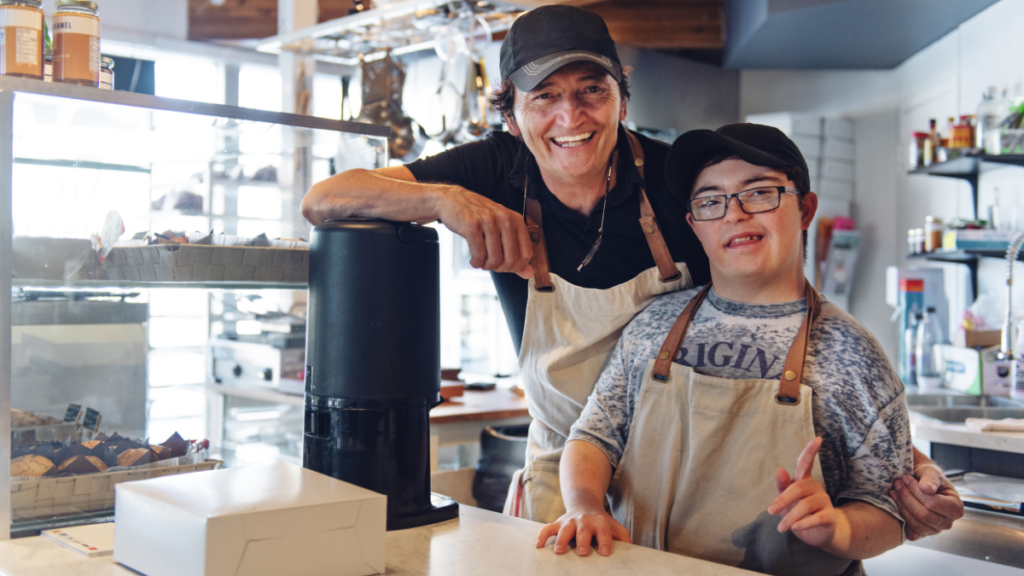
A person job shadows in a coffee shop. He wears an apron and stands next to another worker who also wears an apron. They both wear ball caps and stand at the counter by a coffee machine.

3. Explore Employment & Post-Secondary Goals

  • Career Exploration: Help older students identify their unique strengths, interests, and potential career paths.
  • Job Sampling & Volunteering: Secure local summer volunteer work or part-time employment to build soft skills like punctuality, following directions, and interacting with colleagues.
  • Assistive Tech Training: Dedicate time in the summer to explore using adaptive technologies or communication devices they will need for upcoming employment or higher education.

Leverage Local Resources

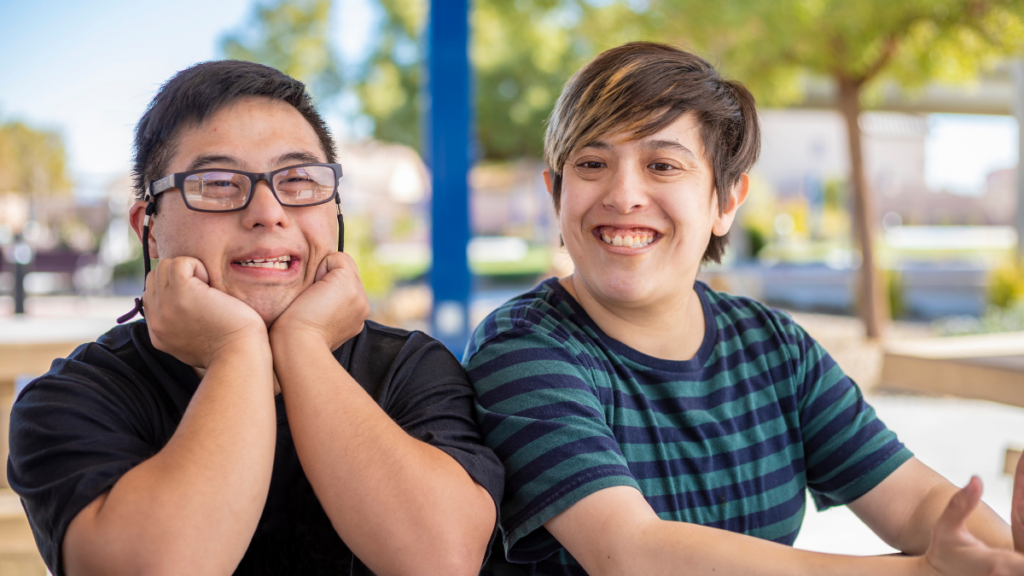
Two teenage boys sit together at an outdoor table. A public park with trees, people, and benches is in the background.

4. Leverage Local Resources

  • Extended School Year (ESY): Take advantage of your school district’s ESY services if your child qualifies, which is specifically designed to prevent regression of skills over the summer.
  • Specialized Camps: Locate accessible, day or overnight camps in your area and inquire about openings, supports, and accommodations.

Review and Update the IEP

Two parents sit in their living room and review documents on a tablet screen. Paper , pens and other planning supplies are spread out on the coffee table.

5. Review & Update the IEP

  • Transition Planning: Review the secondary transition goals in your child’s IEP—such as employment, education, and independent living—to brainstorm actionable steps for the upcoming year.
  • Communication: Reach out to your local school district’s special education department to ensure you know who is on your child’s IEP team. Confirm accommodations and transportation routes are set before the next school year begins.

Share:

Facebook
Twitter
LinkedIn

Stay Connected!

Receive the CBS quarterly newsletter
and updates on new services and upcoming events. 

There are no comments

Comments are closed.

On Key

Related Posts

Start typing and press Enter to search

Shopping Cart