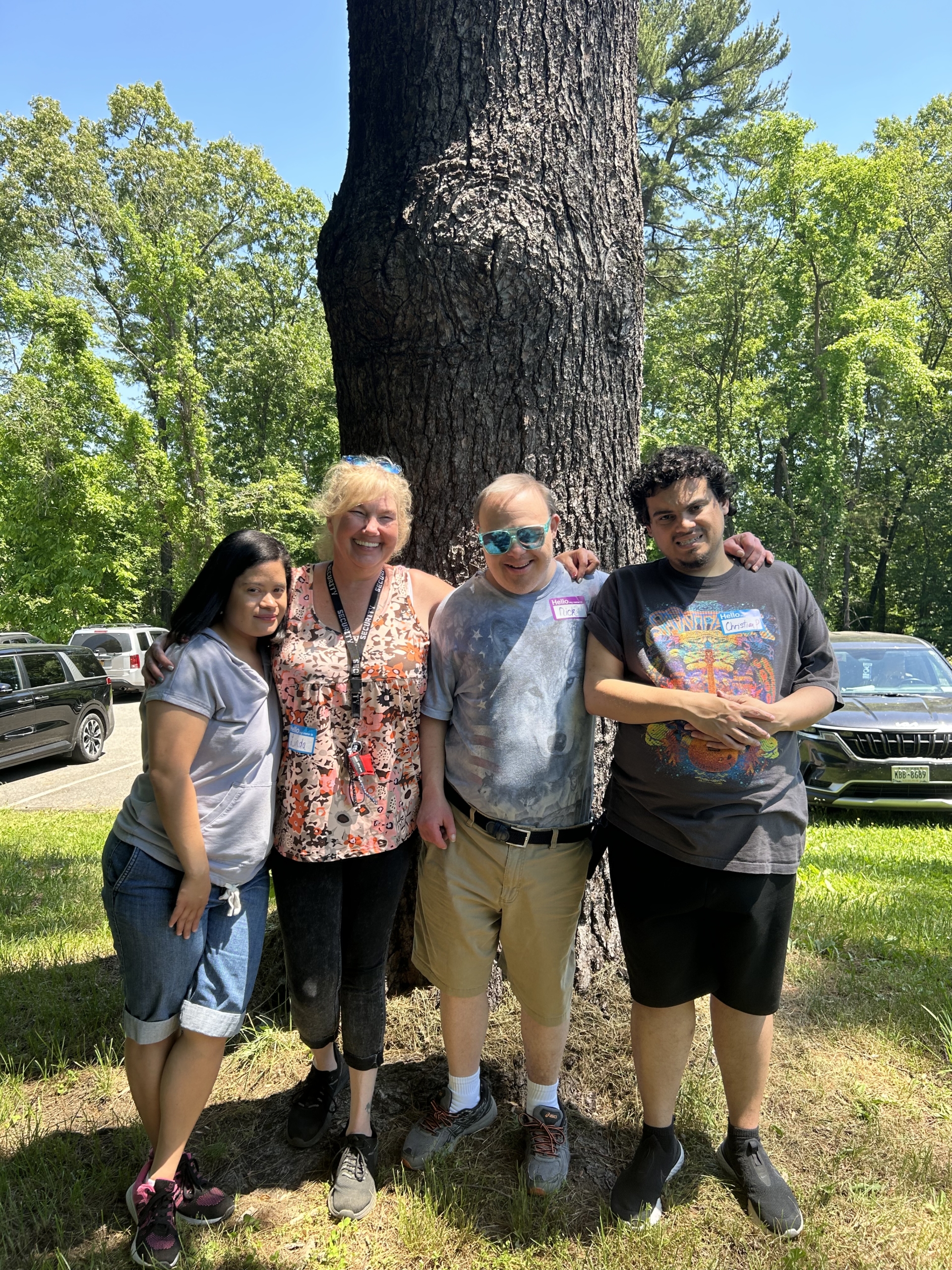
A Direct Support Professional (DSP) is the backbone of the service delivery system, providing direct care and support to individuals with intellectual and developmental disabilities, physical disabilities, and mental health challenges. According to the Office for People With Developmental Disabilities (OPWDD), DSPs are dedicated individuals who help people with developmental disabilities live independent, productive lives. They not only assist with daily needs but also serve as role models, teachers, mentors, and friends.
What Does a Direct Support Professional Do?
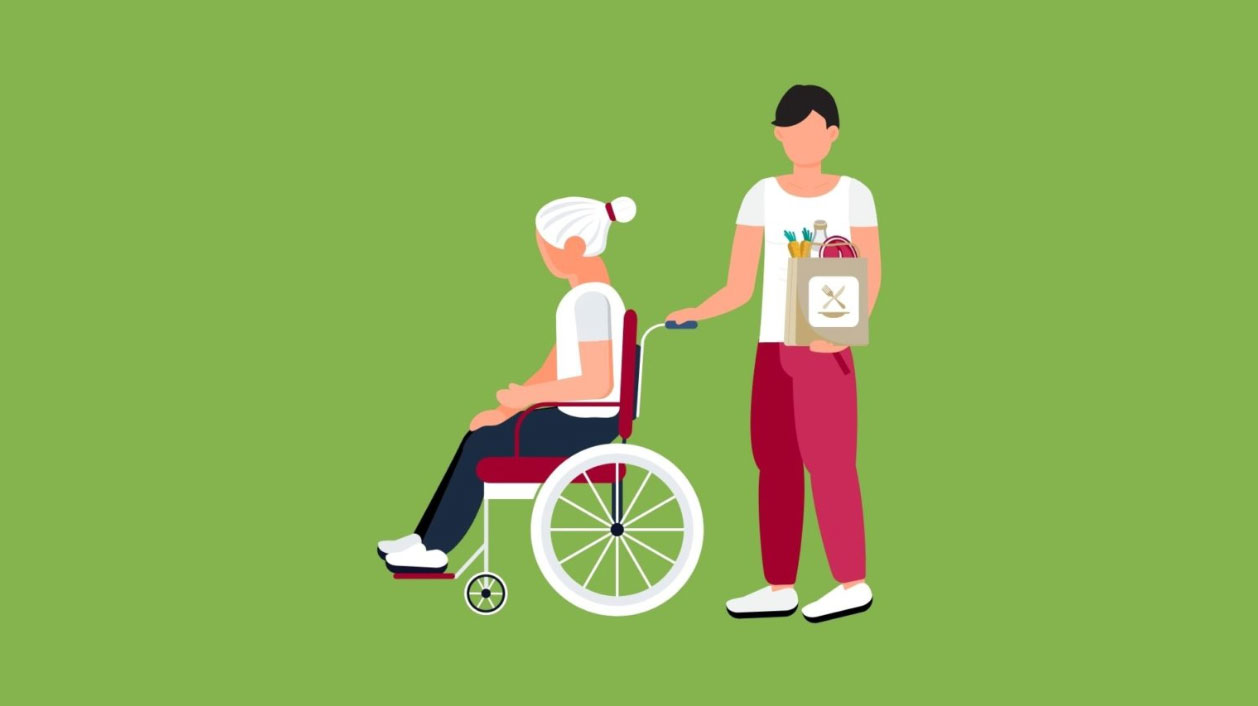
The support needs of people with disabilities are highly individualized, so the role of a DSP can vary greatly. DSPs may assist with daily living activities such as grooming, household chores, and transportation, or they might work in community-based settings, helping individuals integrate and participate in recreational activities.
Common tasks that DSPs perform include:
- Assisting with daily living tasks such as bathing, dressing, and grooming
- Providing transportation to appointments and activities
- Administering medication and monitoring its effects
- Preparing and serving meals
- Assisting with housekeeping and laundry tasks
- Facilitating communication and socialization
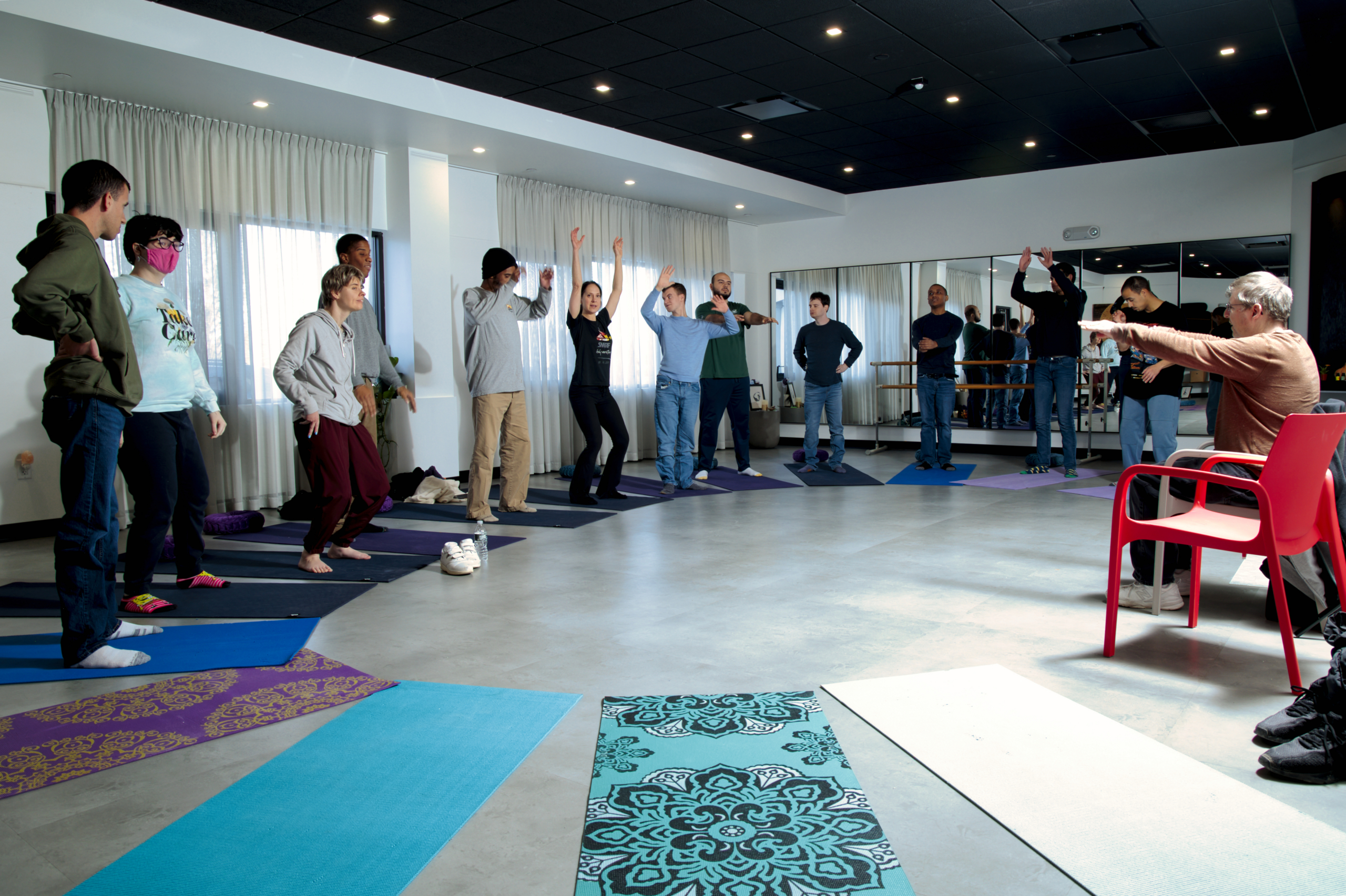
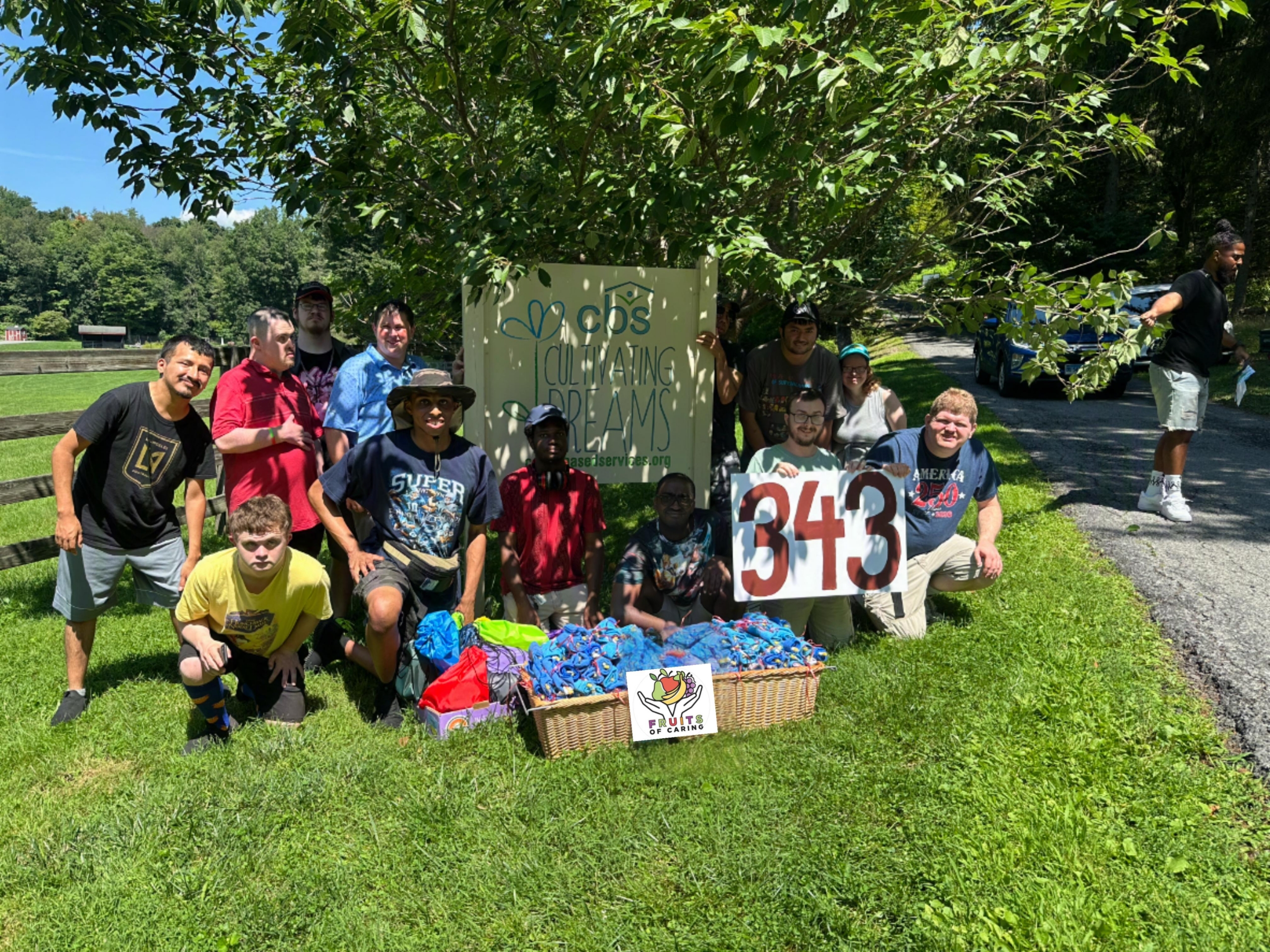
- Encouraging community integration and participation in recreational activities
- Documenting daily progress and behaviors
- Responding to medical emergencies or crisis situations
Advantages of Working as a DSP
Working as a DSP is a truly rewarding and fulfilling career choice. Here are some advantages of pursuing this path:
- High Demand: DSPs are in high demand, offering job stability and opportunities for advancement within the field.
- Make a Difference: Provide essential care and support, helping individuals with disabilities lead fulfilling lives and participate in their communities.
- Build Relationships: Develop meaningful relationships with the individuals you support and their families.
- Gain Skills and Knowledge: Access training and professional development programs to enhance your skills and knowledge.
- Diverse Work Settings: Work with a variety of individuals in different settings, providing diversity in your work experience.
- Flexible Schedules: Enjoy flexible work schedules, ideal for parents, students, and those seeking non-traditional hours.
Who Do Direct Support Professionals Work With?
DSPs work with individuals with disabilities of all ages, from children to older adults, across various communities. Some DSPs work within family homes, supporting specialized childcare tasks, while others may work in day programs with adults who have a range of disabilities, including intellectual or developmental disabilities, physical disabilities, or mental health challenges.
Where Do Direct Support Professionals Work?
The specific settings where DSPs work depend on the needs of the individuals they support and the organizations they are part of. Common settings include:
- Group homes or residential care facilities
- Day programs or activity centers
- In-home care settings
- Vocational or employment training programs
- Schools or educational institutions
- Community-based settings, such as recreational or community centers
- Hospitals or medical facilities
- Assisted living facilities
- Nursing homes or long-term care facilities
- Rehabilitation centers
How Do I Find Work As a DSP?
If you’re interested in becoming a DSP, you’ve already taken the first step by learning about the role. Next, acquire any necessary skills or training. Community Based Services is hiring DSPs and can help you embark on this fulfilling career path. Check out our available positions.
Interview with a DSP: Iris R.
Why did you become a DSP?
I thought that my knowledge and various skills would be a great fit working as a Direct Care Professional.
What’s your favorite part about your job?
My favorite part is creating bonds and relationships with the individuals.
Why do you like working at CBS?
CBS is a comfortable environment, and I enjoy the people I work with.
What are your hobbies outside of work?
My kids!
If you could pick one superpower, what would it be?
Telekinesis
Favorite food?
Tacos
If you could travel anywhere in the world, where would you go?
Bali!
Join us at CBS in empowering individuals with disabilities and making a difference in their lives. Together, we can help people discover themselves and achieve their dreams. Stay tuned for more updates and opportunities!






There are no comments